Product Marketing × AI
I'm a product marketer in healthcare and B2B SaaS. I launch AI products, and I build AI: marketing agents that solve real GTM challenges, from brand audits to competitive intelligence. Marketing built for how buyers actually discover products in the AI era.
Seven years of product marketing in healthcare and B2B SaaS, launching AI products to skeptical, regulated buyers, and using AI to move faster than the team size would suggest.
Led the platform rebrand and launch of new AI functionality, the CareMessage Wellness Copilot. Automated customer-insight gathering from Gong to inform roadmap, sales strategy, and positioning.
In-platform campaigns drove 14% adoption across 3 launches (~3,000 users, ~400 accounts); events strategy lifted MQLs ~20% year over year.
Consulting engagement with the GM of a 1,500-person healthcare AI company. Led marketing for launches of autonomous coding for medical billing, voice agents for patient engagement, and ambient-EHR extensions.
Built the ABM playbook managing $6M in active pipeline; supported $1.5M+ in deals with demos and enablement.
Automated competitive insights and research for 15 core competitors, including sales-transcript analysis and regulatory alerts via Gong and Crayon. Led the rebrand and relaunch of acquired products into the EverHealth Platform.
Drove 18% revenue growth through events strategy, media placements, and upsells.
Led GTM for Eldermatics, scaling to 20,000+ active users, a key input into the company's successful acquisition. Consulted on marketing for a middleware startup that raised with Y Combinator and grew to $3M ARR.
1 acquisition, 1 YC raise among consulting clients.
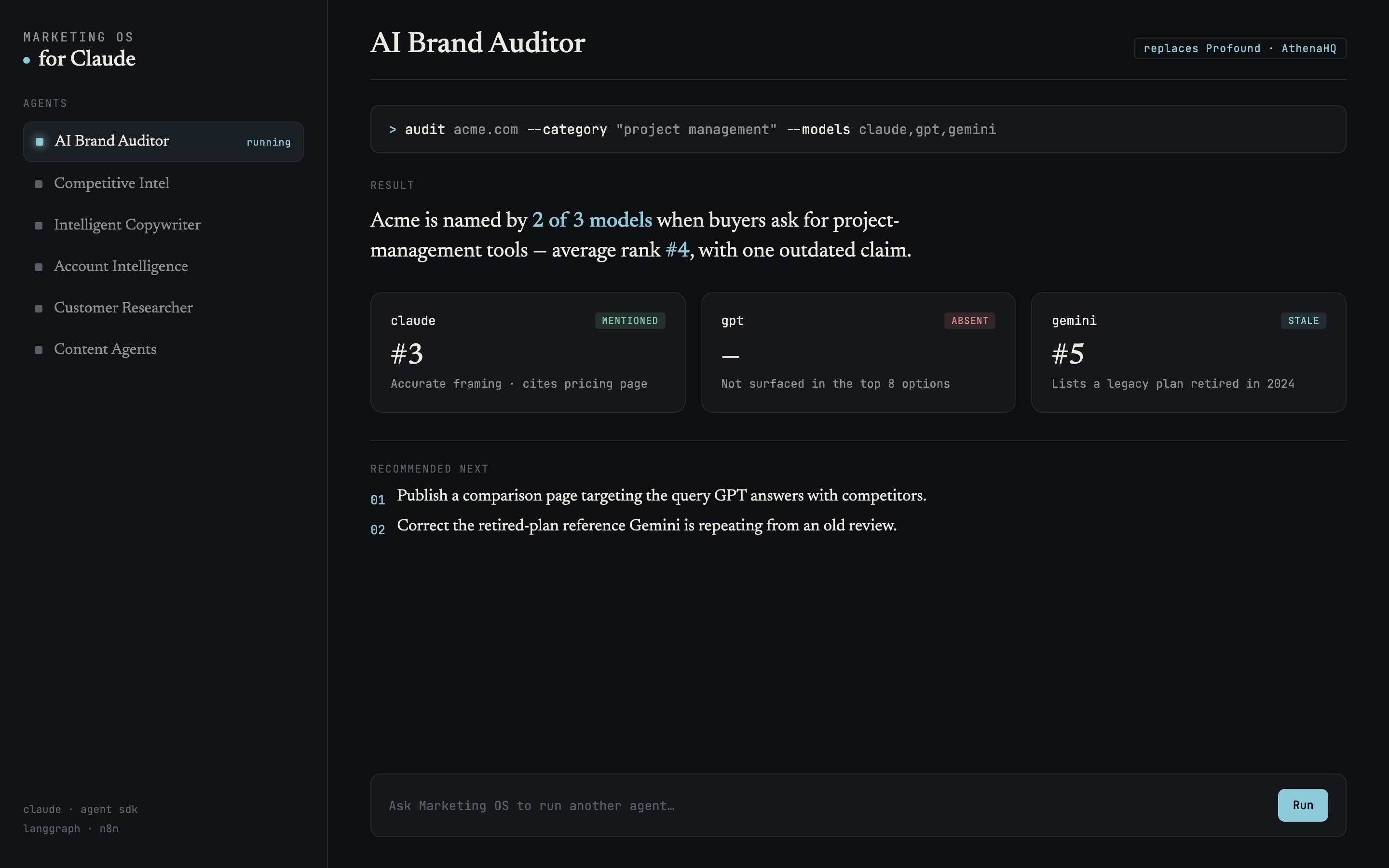
Most marketers use AI tools. I build them. These are working agents, built with Claude, that solve real GTM problems I've hit in the field.
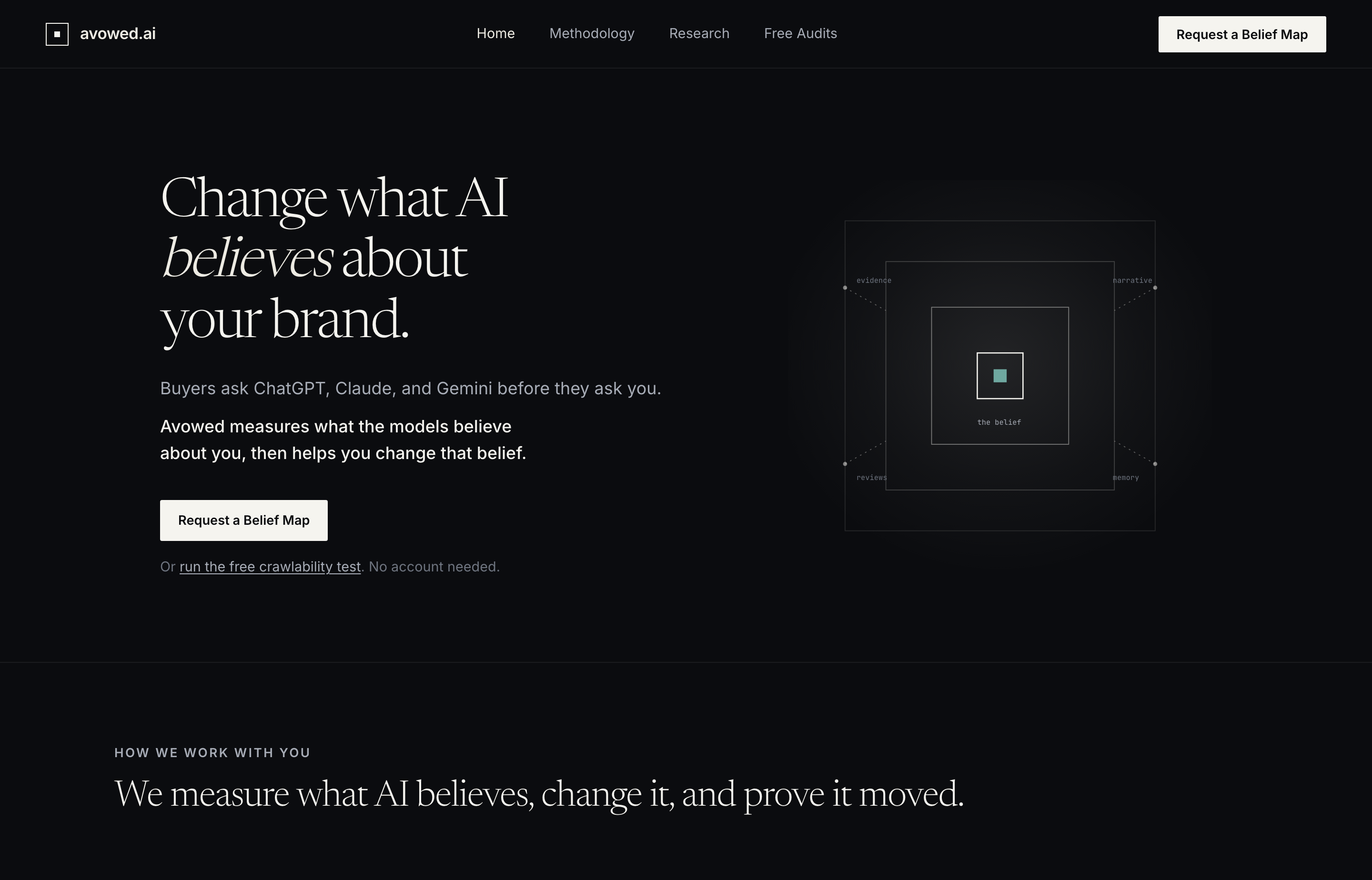
How do AI assistants view a brand? When a buyer asks ChatGPT or Claude for a recommendation, does your platform come up, and is what they say accurate? This agent audits it systematically.
Conducts a full analysis of a competitor and compares it against existing intel, turning what used to be a week of battlecard research into an afternoon.
Drop in content, positioning, and ICPs, and it builds winning copy that stays on brand. Positioning in, on-message copy out.
Builds a highly detailed research plan using the ideal methodology fit for your scenario, so every study starts with the right questions and the right approach.
Connects to a variety of marketing applications, data types, and workflows and presents them in one clean, unified UI.
Produce high-quality content built from existing templates and data, keeping output consistent with the assets that already work.
Not a logo wall: how AI actually fits into my week as a marketer.
Claude + the Claude API. Working marketing agents, from brand auditors to research and copy systems.
Claude, grounded in my strategy docs: Ideal Customer Profile, brand materials, and positioning framework. The docs keep every draft on-message; AI drafts, I decide.
Automated sales-transcript analysis in Gong with Claude, surfacing win/loss themes, objection patterns, and voice-of-customer that feed roadmap and messaging.
Gong mining with Claude tuned for competitive signals, like when and how competitors come up in deals, plus automated tracking of competitor websites and news mentions.
I run adoption and lifecycle campaigns through marketing automation platforms and customer-engagement tools like Intercom, with Claude orchestrating the campaigns, segmentation, and copy variants behind them.
This site practices what it preaches about AI-era marketing:
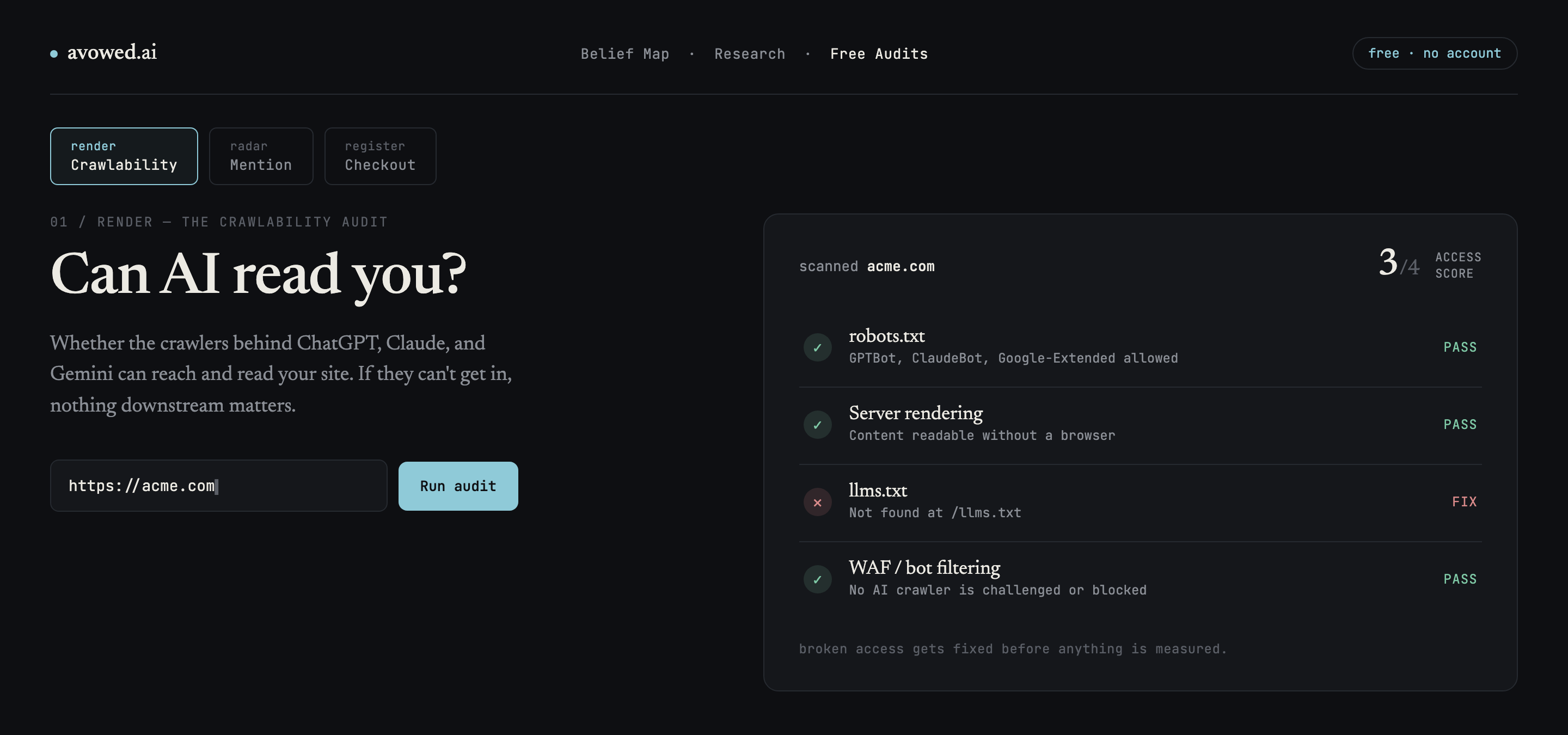
It's built for answer engines. There's structured JSON-LD data describing who I am and what I know, a llms.txt file giving AI crawlers a clean summary to cite, and semantic HTML throughout. Ask an AI assistant about me. That's the point.
It was built with AI, deliberately. Designed and coded in a working session with Claude: one 16 KB HTML file (webfonts aside), no framework, no build step, loads in milliseconds, and deploys free on Cloudflare Pages. Knowing when not to add complexity is part of being AI-savvy.